Skip to content

Pind Daan in Gaya: A Complete Guide to Rituals and Services

4.8 13 reviews

Min People 1
Max People 2
Guests 1–2
Price ₹5,500
WhatsApp Us

Pind Daan in Gaya is one of the most sacred Hindu rituals performed for the peace of departed souls. Gaya, located in Bihar, is a pilgrimage site where Hindus believe these rites help ancestors achieve salvation (Moksha). For centuries, families from India and around the world have traveled here to fulfill this important duty.
Our services make sure you complete every step of this puja without any hassle, guided by experienced and knowledgeable Purohits and priests.

Importance of Pind Daan in Gaya
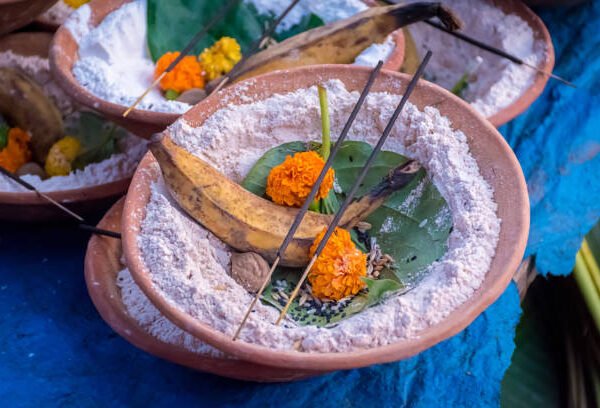
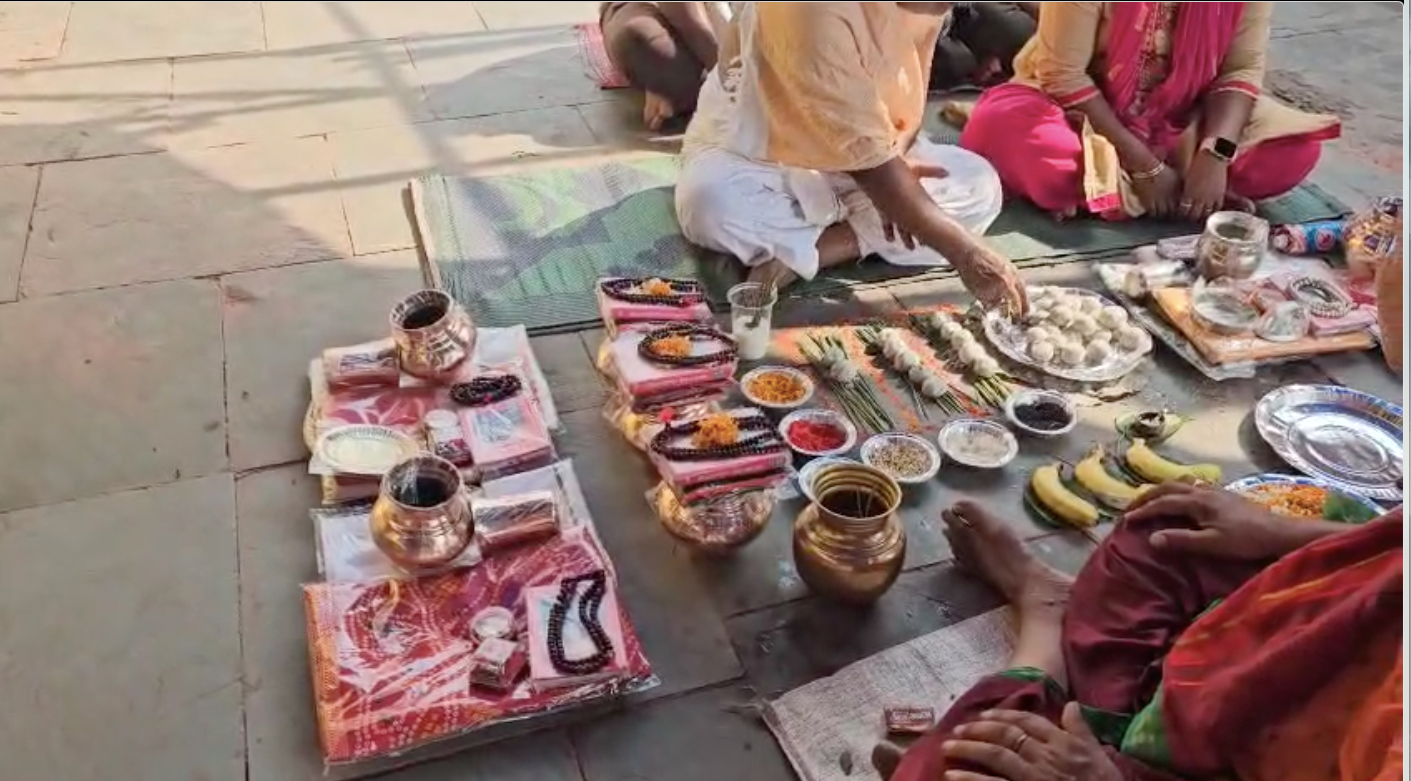
Sacred offerings and rituals setup for Pind Daan in Gaya.

Ancient scriptures, including the Garuda Purana, highlight Gaya as a sacred land where Lord Vishnu is believed to reside. It is seen as the most sacred place for Pind Daan. Offering Pind (rice balls) at the Vishnupad Temple and the banks of the Falgu River is believed to free ancestors.

Family Members Perform this Ritual to:
Devotees performing sacred Pind Daan rituals and water offerings at Falgu River in Gaya.
  • Bring eternal peace to departed souls.
  • Seek blessings for current and future generations.
  • Fulfill sacred family obligations and ancestral duties.

Gaya Pind Daan Cost
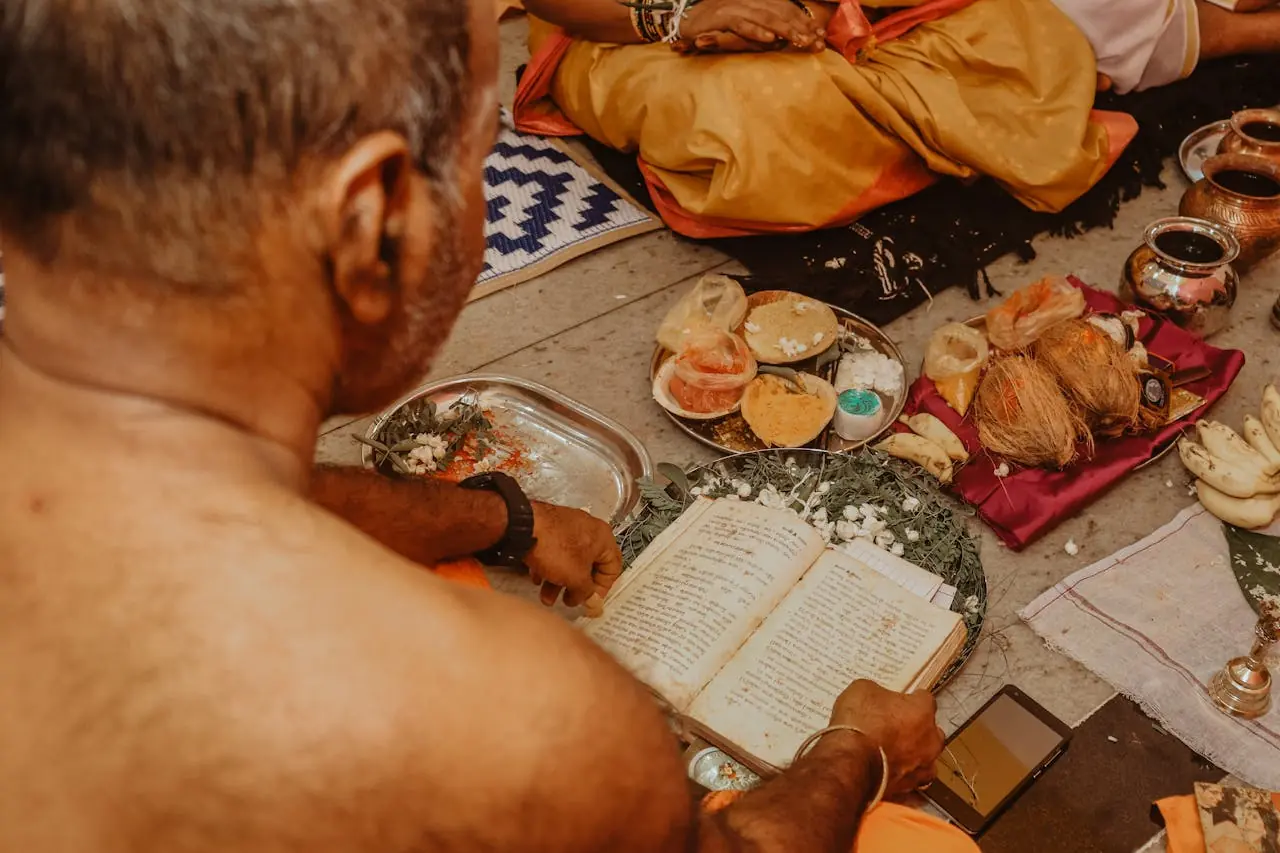
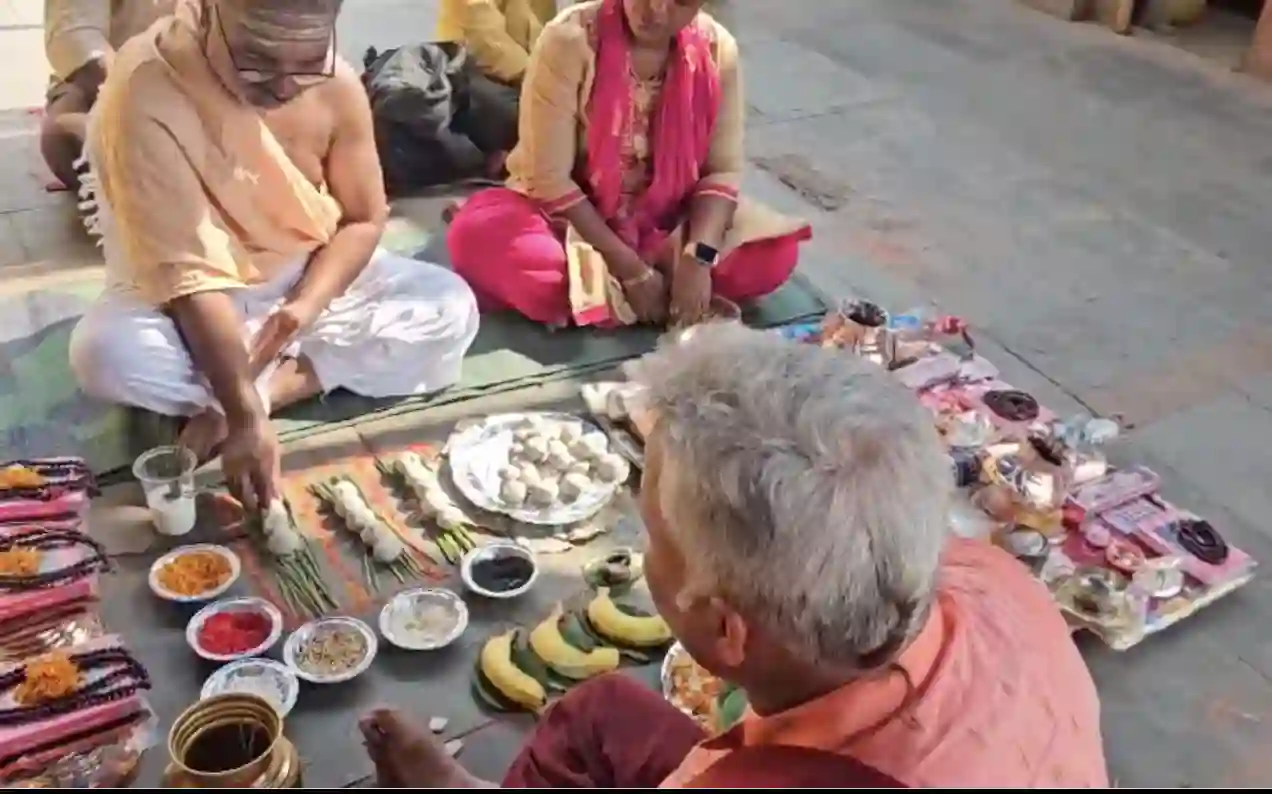
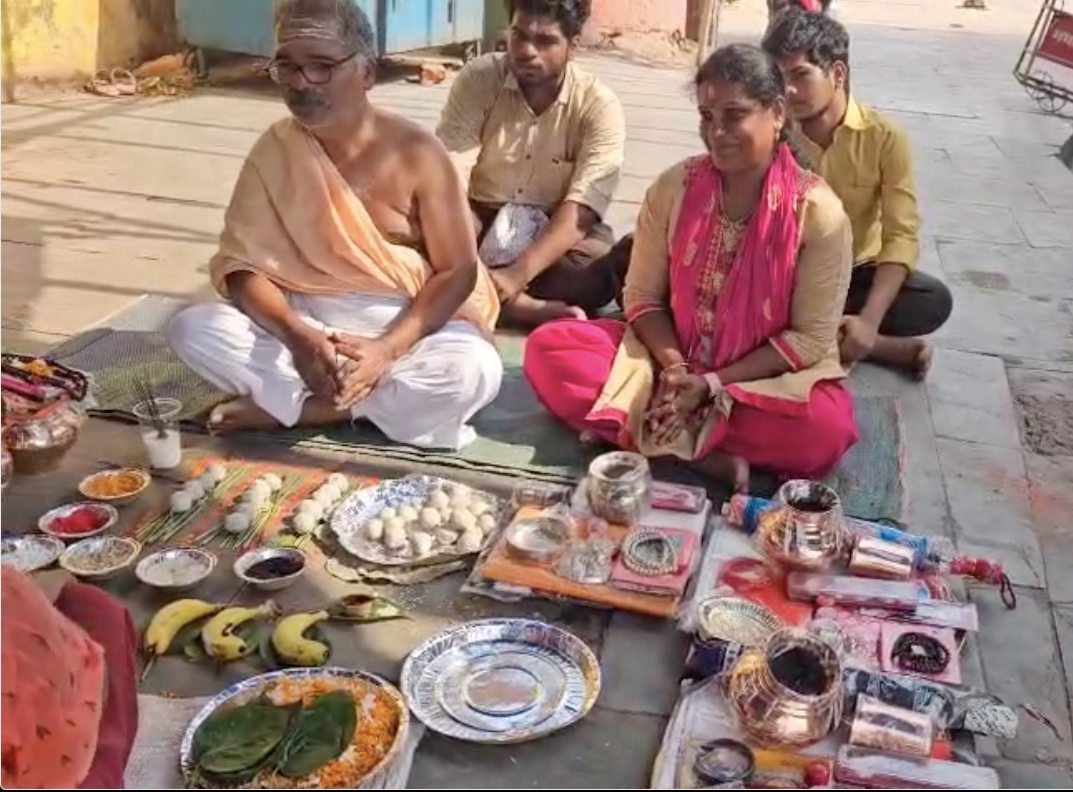
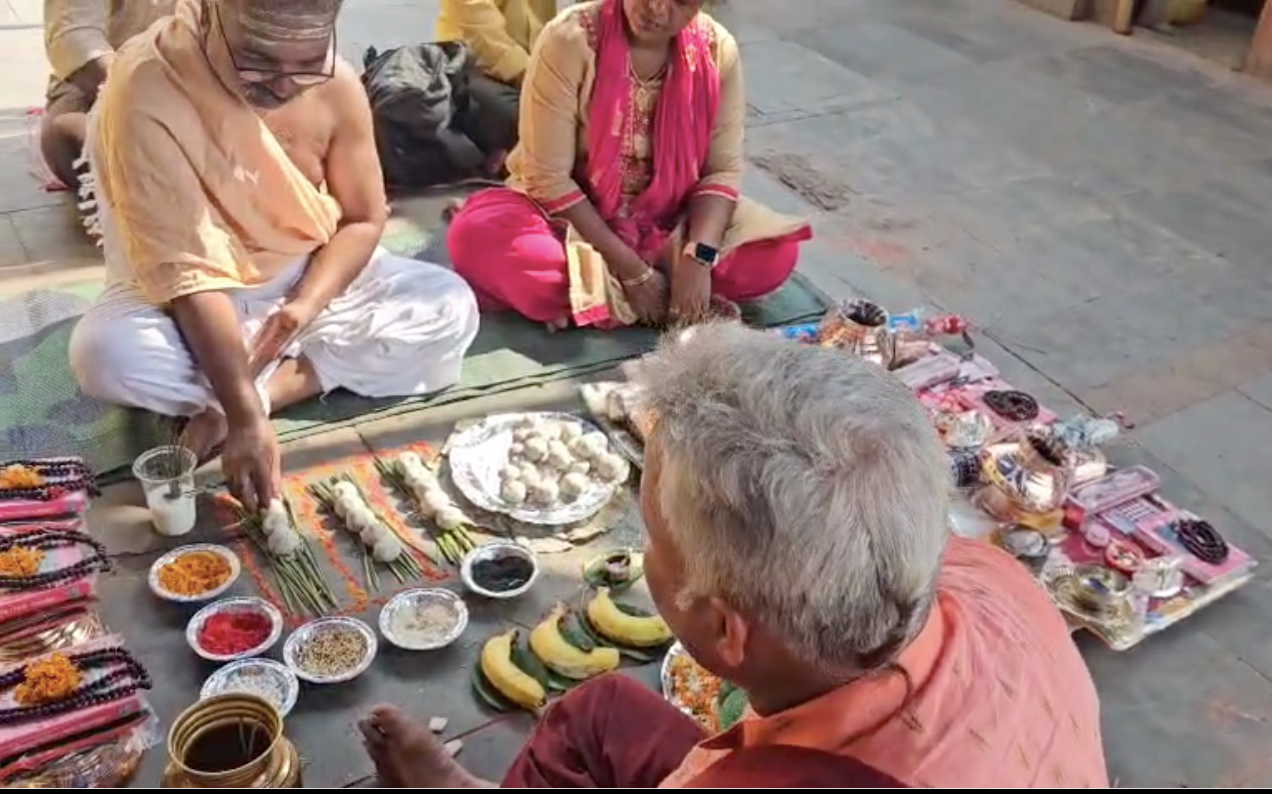
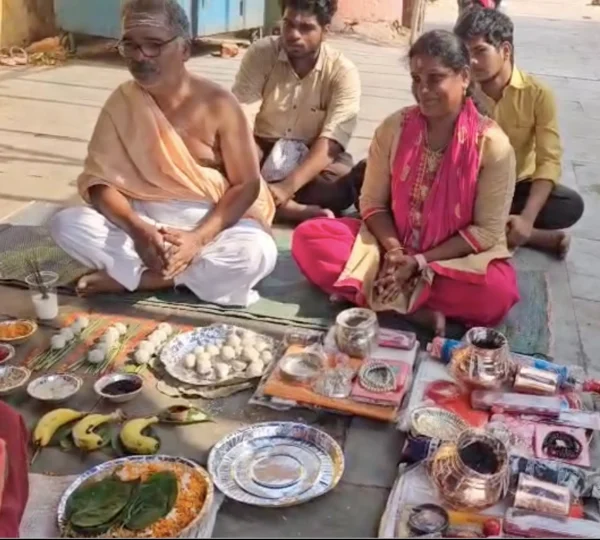
Priest performing Pind Daan rituals with pooja samagri in Gaya.

One of the most frequently asked questions from families concerns the cost of Gaya Pind Daan. Prices vary based on the complexity of the rituals and the number of priests involved. We offer transparent pricing to help families plan according to their budget:

  • 3-Place Ritual Cost: ₹11,000 (Approx. 1 day; includes Falgu River, Vishnupad Temple, and Akshay Vat).
  • 7-Place Ritual Cost: ₹21,000 (1–2 days; includes expanded holy sites).
  • 45-Place Ritual Cost: ₹31,000 (3–7 days; a comprehensive procedure covering all major Vedis).

Best Time for Pind Daan in Gaya

While the ritual can be performed year-round, certain periods are considered highly auspicious:

  • Pitru Paksha (Shraddh period): The most powerful time when thousands visit Gaya.
  • Amavasya (No Moon Day): A spiritually potent day for ancestral prayers.
  • Eclipses and Sankranti: Favourable times for specific Vedic rites.

The Ritual Process

The ritual of Pind Daan Gaya follows a strict sacred sequence:

  • Sankalp: The devotee takes a formal vow guided by the priest.
  • Tarpan: Offering holy water to the Falgu River in memory of ancestors.
  • Pind Daan: Offering rice balls mixed with black sesame, honey, and barley.
  • Shraddh Puja: Recitation of special mantras for soul peace.
  • Brahmin Bhoj: Feeding priests to complete the ritual.

Weekly Ancestors Rituals and Sacred Vedis

For those opting for the full spiritual journey, the itinerary includes:

  • Day 1: Purification at the Punpun and Falgu rivers; water offerings at Sita Kunda and Pretashila.
  • Day 2: Holy dip at Falgu followed by rituals at Brahmakunda, Ramashila, and Surya Kunda.
  • Day 3–5: Visits to the five sacred Panchatirthi places, Goprachar, and Brahmayoni.
  • Day 7: Final rituals at Akshayavata, donations to the priests, and thanksgiving at Gayatri Ghat.

Why Choose Banaras Bhraman Services?

Planning Pind Daan in Gaya requires the right guidance. We ensure:

  • Authenticity: Experienced Pandits trained in Vedic traditions.
  • Transparency: Clear puja costs with no hidden charges.
  • Convenience: Complete support for Pind Daan online booking for families living abroad.
  • Accommodation: Free Dharmshalas for devotees (Guest houses/hotels available at additional charges).

Frequently Asked Questions

Q. What is the average cost of Gaya Pind Daan?
A. It varies from simple ceremonies to elaborate 7-day packages.

Q. Can I book online?
A. Yes, we provide full facilities for online booking and representative-led rituals.

Q. What should we bring from home?
A. Generally, you should carry a small amount of uncooked rice and soil from your native place/home.

Conclusion

Performing Pind Daan in Gaya is a profound responsibility. With Banaras Bhraman, you receive expert guidance on costs and timing, ensuring a stress-free experience.
Book your slot now and let us assist you in completing this divine responsibility with sincerity and devotion.

Pind Daan in Gaya: A Complete Guide to Rituals and Services


FAQs

Frequently Asked Questions

What are the timings for the Ganga Aarti in Varanasi?

The Ganga Aarti at Dashashwamedh Ghat runs daily: 7:00 PM in summer (March–October) and 6:00 PM in winter (November–February), lasting about 45 minutes. A morning aarti is also held at Assi Ghat around 5:30 AM. Arrive 45 minutes early for a good spot, especially during festivals.

How can I book a boat ride to watch the Ganga Aarti?

You can book a boat ride for the Ganga Aarti online through operators, with private motor boats starting around ₹3,999–₹4,499 for up to 6–8 people. Most rides depart from Dashashwamedh, Assi, or NAMO Ghat around 5:30–6:00 PM and park directly in front of the ceremony for the best view. Alternatively, you can simply walk to the ghats and negotiate directly with local boatmen for cheaper shared rides (₹150–₹400 per person), though advance booking is recommended during festivals.

What are the visiting hours for the Kashi Vishwanath Temple?

The temple opens daily at 2:30 AM for rituals. General Sarva Darshan (public viewing) typically runs from 3:00 AM to 11:00 PM, with short breaks for various Aartis throughout the day. The temple remains open year-round for devotees.

Is there an entry fee for the Kashi Vishwanath Temple?

Darshan entry is free of charge. Tickets are required for special services such as the Mangala Aarti or for priority entry through Sugam Darshan. Tickets can be purchased on the official temple website for your convenience.

What is the best time to take a boat ride on the Ganges?

The most magical experiences are during Sunrise (4:30 AM – 6:30 AM) to see the city wake up, or in the Evening (4:30 PM – 6:30 PM) to witness the Aarti. For the best light and fewer crowds, the 20 minutes just before sunrise is considered the “golden window”.

Is there a dress code for visiting the Kashi Vishwanath Temple?
  • For general visitors, there is no strictly mandatory dress code; however, modest and respectful attire is required. Both men and women should ensure their shoulders and knees are covered.
  • For Sparsh Darshan (touching the Jyotirlinga), a traditional dress code is compulsory:
    • Men: Must wear a traditional Dhoti-Kurta.
    • Women: Must wear a Saree.
  • Devotees in western outfits, such as jeans or trousers, are permitted for general Darshan but will only be allowed to worship from a distance (without entering the inner sanctum).
How long does a typical boat ride last?

Most sightseeing trips last between 1 and 1.5 hours. If you want to see all 84 ghats from Assi to Raj Ghat, a full Kashi Darshan usually takes 3 to 4 hours.

Are there guided tours available for the Kashi Vishwanath Temple and Ganga Aarti?

Many tour operators offer guided tours that include stops at the Kashi Vishwanath Temple, boat rides, and the evening Ganga Aarti. These tours are a good way to learn about Varanasi’s history and culture, making your visit more meaningful.

What is the cost range for boat rides in Varanasi?

Shared seats usually cost between ₹250 and ₹500. Private rowboats are priced from ₹1,200 to ₹2,500, and larger motorboats start at ₹3,500. Prices can go up a lot during big festivals like Dev Deepawali.

Do I need to book boat rides in advance?

You can book a boat on the spot, but it’s best to book ahead for busy times like sunrise or the evening Aarti. This way, you’ll have a reliable boatman and won’t have to bargain in crowded places.

Are there any special boat rides during festivals in Varanasi?

Yes. During festivals like Dev Deepawali and Maha Shivratri, special boat rides are organized to view the illuminated ghats and festivities. These rides, often on traditional Bajra boats with music and snacks, offer a unique experience of Varanasi’s cultural heritage. Because of high demand, please book in advance.

What are the different types of Aartis performed at the Kashi Vishwanath Temple, and their timings?

The temple performs five main Aartis daily:
Mangala Aarti: 3:00 AM – 4:00 AM
Bhog Aarti: 11:15 AM – 12:20 PM
Sandhya Aarti: 7:00 PM – 8:15 PM
Shringar Aarti: 9:00 PM – 10:15 PM
Shayan Aarti: 10:30 PM – 11:00 PM

Are there any special considerations for attending the Mangala Aarti at Kashi Vishwanath Temple?

Mangala Aarti is a popular ritual held every day from 3:00 AM to 4:00 AM. Because many people want to attend, you should book your tickets online ahead of time.
Here are some important details for devotees:
Tickets usually cost ₹351. During the holy month of Shravan, prices can go up to ₹1,200 on Mondays. On Maha Shivratri, tickets are about ₹1,800.
Please arrive at Gate No. 4 by 2:00 AM. Bring a valid ID and your ticket with you.
Mobiles, cameras, and leather items such as belts and wallets are not allowed inside the temple.

Planning your trip to Kashi?

Talk to our Varanasi team — boats, stays, puja and cabs arranged locally.

Chat on WhatsApp
Chat with us on WhatsApp Call us now